
Topics:Breaking
A Dainik Bhaskar investigation has highlighted the financial distress faced by some students preparing for competitive examinations in Prayagraj,
Financially struggling NEET and SSC aspirants reportedly sell blood to cover coaching, hostel and mess expenses. The investigation also describes alleged brokers, claims of forged medical documents and the use of different blood banks.
Student Turns to Blood Bank After Failing to Pay Hostel Fees
A Dainik Bhaskar investigation has highlighted the financial distress faced by some students preparing for competitive examinations in Prayagraj, Uttar Pradesh. According to the report, some NEET and SSC aspirants are selling their blood to pay for coaching, accommodation, food and study materials.
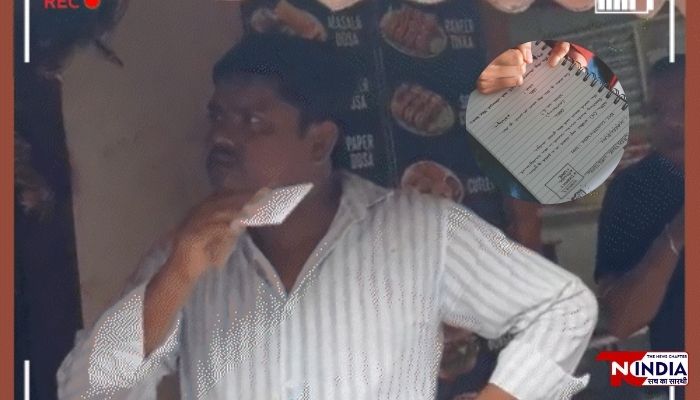
An undercover reporter from Dainik Bhaskar approached students outside the Allahabad Medical Association (AMA) Blood Bank near Rajapur intersection in Prayagraj.
According to the report, an SSC aspirant said his father was a farmer, his mother had died, and his two younger sisters lived in the village. He said the family's agricultural income was barely enough to cover basic expenses.
The student reportedly said he had been unable to pay his hostel fees for two months and had turned to selling blood because he feared losing his accommodation and disrupting his studies. He offered to provide blood for Rs 8,000.
Students Reportedly Selling Blood Repeatedly to Cover Expenses
The investigation also featured a student named Anand, who was preparing for SSC examinations. He reportedly said he had previously sold blood to pay his coaching fees and returned to another blood bank around 10 days later to arrange money for his mess expenses.
Anand said he hoped to become a government officer in the future and overcome his financial difficulties, but for now he was struggling to continue his education.
Another student, identified as Vivek, was preparing for NEET. According to the report, his father had mortgaged two bighas of farmland and taken a loan to support his education in Prayagraj. After failing to clear the examination, Vivek said he had only one attempt left. He reportedly visited the blood bank to raise money for his coaching fees before Diwali.
Alleged Brokers Accused of Exploiting Students' Financial Distress
One of the most serious aspects of the Dainik Bhaskar investigation concerns an alleged network of brokers operating around blood banks.
During the undercover investigation, the reporter met a man identified as Sonu, who allegedly claimed to have contacts at blood banks not only in Prayagraj but also in neighbouring districts.
According to the report, Sonu initially offered Rs 4,000 for a unit of blood and later agreed to Rs 5,000 after negotiations. However, the student was still expected to pay a processing fee of Rs 1,500.
The alleged broker reportedly said that arranging blood directly carried a risk of being caught, and claimed that they organised the process to reduce that risk. He also allegedly said that students were taken to different blood banks to avoid being recognised.
Claims of 12 Units a Day and Forged Medical Documents
According to Dainik Bhaskar, Sonu and his associate Rajesh claimed they could arrange more than 12 units of blood in a single day.
The report states that the two allegedly offered to arrange hospital stamps, fake doctors, prescriptions and demand letters. They reportedly claimed that such documents were prepared to help donors avoid detection.
The investigation also described alleged links between agents and student groups in hostels. Students reportedly said agents contacted them when patients needed blood after negotiating arrangements with the patients or their families.
These are allegations and claims recorded during Dainik Bhaskar's undercover investigation. The report does not establish that the individuals involved have been convicted by a court.
Coaching and Accommodation Costs Add to the Financial Burden
According to the report, students said annual fees at some major coaching institutes range from approximately Rs 1.20 lakh to Rs 1.80 lakh. Hostel rooms reportedly cost between Rs 3,500 and Rs 5,000, excluding food, mess charges and study materials.
Some students said they could not depend on their families for sufficient financial support and struggled to meet even their basic expenses.
The report also featured a NEET aspirant named Ashish, who said many students coming to Prayagraj from other places resorted to similar ways of arranging money. He had hoped to return home as a doctor and improve his family's circumstances, but was struggling to finance his education.
The report noted that the government's Abhyudaya coaching scheme is available, but admission is subject to prescribed eligibility criteria that not every student can meet.
Commercial Blood Trading Is Prohibited; Frequent Donations Can Be Dangerous
Dainik Bhaskar's report discusses the legal restrictions on commercial blood trading in India, where voluntary blood donation is recognised.
The report quoted Brajesh Kumar, an assistant commissioner in Prayagraj's Food Safety and Drug Administration department, as saying that medical standards and government guidelines regulate blood donation. He warned that donors who conceal their details and donate more frequently than permitted could put their lives at risk.
Questions Raised About Blood Banks and Administrative Action
The report states that its investigation did not find blood banks directly involved in the alleged activity, while also referring to claims that the network operating outside laboratory premises was known to them.
Prayagraj administration officials reportedly said action is taken after complaints about the sale of blood are received.
The investigation raises concerns about the financial pressure faced by students preparing for competitive examinations and the alleged exploitation of that vulnerability by brokers.
Source and reference: Dainik Bhaskar investigative report.
Also available in: HI
Surya Prabhakar
News Editor
Dedicated to providing authentic news